Counters of Consequence: Where Melbourne Still Sells a Single Button
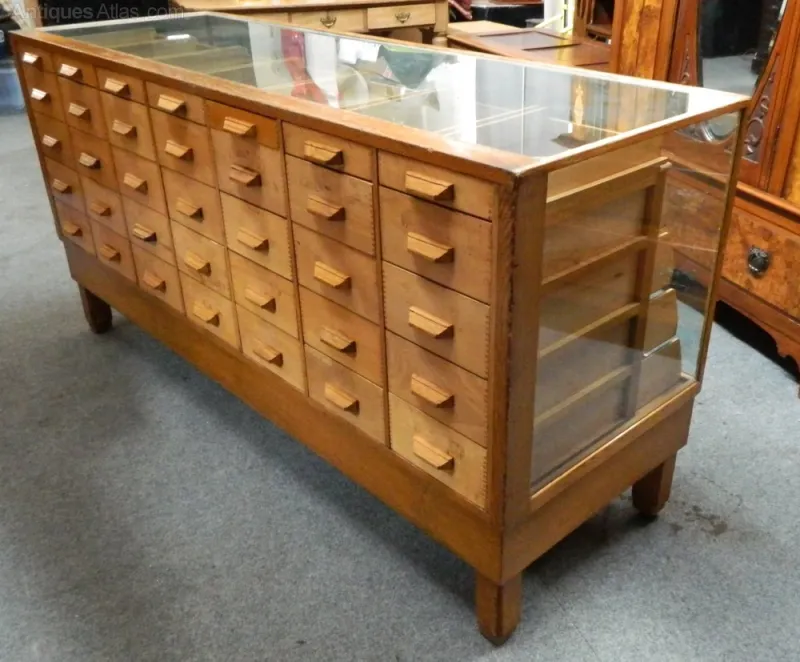
Photo: vintage haberdashery shop counter buttons thread spools wooden drawers, via images.antiquesatlas.com
There is a particular kind of shop that never appears in a campaign image and yet without which the campaign could not exist. It is narrow, often above or below street level, and smells faintly of wool sizing and old cardboard. It sells buttons by the unit, thread by the spool, and patience by the metre. Melbourne still has a handful of these shops. Not many. Fewer each year.
We spent a fortnight visiting them — the haberdashers of the CBD arcades, the trim specialists tucked along Swanston Street's quieter stretches, the family counters in the eastern suburbs where the same hands have cut lining for four decades. What follows is less a shopping guide than an argument: that these rooms are the load-bearing walls of elegant dress, and that we ought to notice before they close.
The Unphotographed Infrastructure
Fashion writing favours the visible. The garment, the atelier, the runway. But a well-made coat begins in a room like this — with a conversation about whether a two-hole or four-hole horn button will survive the wear pattern of a particular wearer's hand, whether the thread should be silk or polyester for a garment intended to outlive its owner.
The shopkeepers we spoke to are, without exception, reluctant interviewees. They are busy. One, who has traded in the city for thirty-one years and asked not to be named, put it plainly: "People think we sell notions. We sell decisions. Every button a customer leaves with is a decision they got right."
That framing stays with us. A haberdasher's stock is, in effect, a library of micro-choices — the difference between a garment that reads considered and one that reads merely purchased.
What Sells Out, and When
The seasonal rhythms of these shops tell you more about how Melburnians actually dress than any sales data from the big retailers. In April and May, it is coat buttons — heavy horn, matte corozo, the occasional military brass for those remaking an inherited greatcoat. In November, as the calendar turns toward races season and summer weddings, demand shifts to covered buttons, fine silk thread in pale neutrals, and the invisible zips that no one is supposed to notice.
One shopkeeper in a heritage arcade described her February rush with some amusement: "Everyone comes in the week before school goes back, needing the same navy buttons, in a panic. Every year. You could set a watch by it."
The perennial sell-outs are telling. Beige and navy thread. Buttons between eighteen and twenty-five millimetres. Nothing fashion-forward, nothing loud. The quiet arithmetic of a wardrobe, restocked.
The Questions Worth Asking
Spend an hour at one of these counters and you will hear a curriculum. Customers arrive with a single button wrapped in tissue, or a photograph on a phone, or — best of all — nothing at all but a description of the garment and its purpose. The good shopkeepers ask questions a sales floor never would: How often will you wear it? Do you wash it or send it out? Will your hand be in a pocket all winter?
These are, we would argue, the questions that should be asked before any purchase, not merely after. That they are asked only here — at a counter selling forty-cent buttons — says something uncomfortable about the rest of the industry.
Why a Runway Cannot Replace This
There is a temptation, in writing about small shops, to romanticise. We would rather be precise. These shops matter not because they are charming, though several are, but because they are the only remaining places where a garment's afterlife is planned. A button replaced properly extends a coat by years. A lining re-stitched by a seamstress who sources her thread from the shop next door is the difference between a garment and a disposal.
The economics are brutal. Rent in the city does not care that a shop sells what a supermarket chain has decided is a loss leader. Two of the shopkeepers we spoke to had turned down offers to convert their tenancies to food retail. One had not ruled anything out.
A Modest Proposal
If you own a garment you intend to keep — and readers of this publication presumably do — visit one of these counters before winter. Take a spare button. Ask what it is made of and what would last longer. Buy the thread even if you will never sew; give it to whoever alters your clothes.
Elegance, as we have argued before, is largely a matter of maintenance. Melbourne's haberdashers are the last shops where maintenance is the entire business. It would be a quieter city without them — and not in the way we mean that as praise.