What the Tag Knows: Learning to Read a Garment Before You Buy It
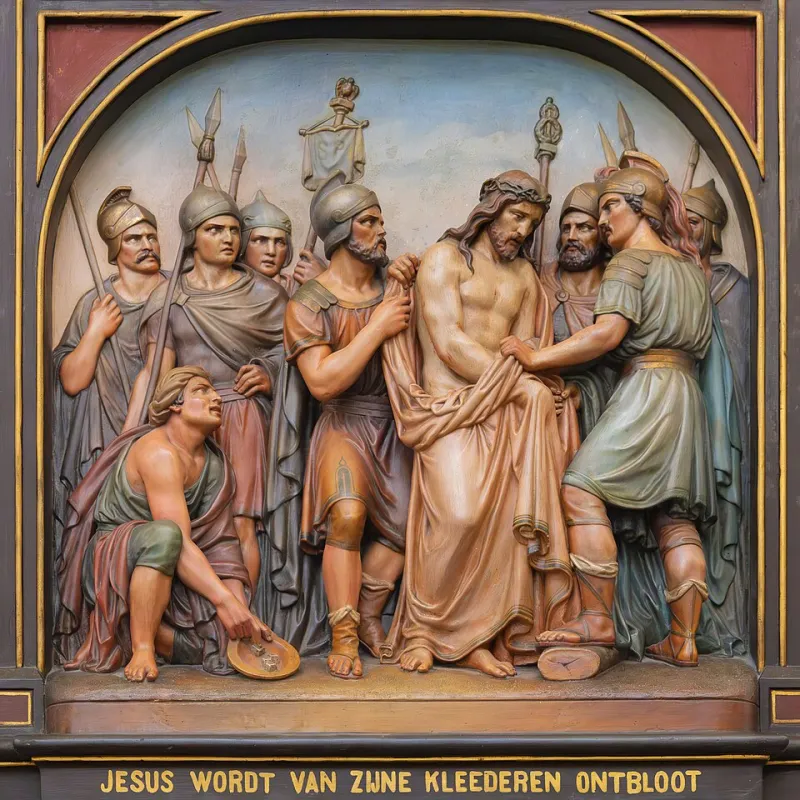
Photo: Renée Kools, CC BY 4.0, via Wikimedia Commons
The First Paragraph of Every Garment
In a Melbourne change room, most of us perform the same ritual: we hold the garment to the light, glance at the mirror, perhaps stretch a seam or two. Rarely do we do the thing that matters most — turn the piece inside out and read the label with the attention of a solicitor reviewing a contract.
And it is a contract. The label is the only part of a garment that is legally compelled to tell the truth. Marketing may romanticise, styling may seduce, but the tag is bound by the Competition and Consumer Act to state plainly what a garment is, what it is made of, and where it came from.
For the discerning shopper — the sort who prefers a wardrobe built over a decade to a trolley emptied in an afternoon — the label is the beginning of due diligence. Here is how to read it properly.
Country of Origin: The Fine Print That Speaks Loudest
Australian labelling law requires clothing to carry a statement of origin, but not all statements are equal. "Made in Australia" carries a legal definition: the garment was substantially manufactured here. "Designed in Australia" means something far humbler — the sketch may have been drawn at a desk in Fitzroy, while the sewing happened elsewhere entirely.
"Made in Australia with imported fabric" sits somewhere in between, and is often the mark of a small label doing honest work with materials sourced offshore. None of these options is inherently wrong. The point is precision. A brand that obscures its origin — vague phrasing, missing details, a tag that lists a distributor rather than a maker — is asking you to buy on faith alone.
Composition: Reading the Percentages Like a Sommelier
The fibre content line is where quality quietly announces itself. A garment labelled simply "100% wool" tells you less than one that reads "94% virgin wool, 5% polyamide, 1% elastane" — the latter is a considered blend, engineered for structure and recovery. The former may be honest, or may be a catch-all for shorter fibres and offcuts.
A few readings worth committing to memory:
- "Virgin" or "new" wool means first-quality fibre, never recycled. A good sign in suiting and knitwear.
- "Merino" should be backed by a percentage; genuine merino labels are rarely shy about it.
- Cotton below 95% paired with elastane above 5% will lose shape faster than it should.
- "Viscose" listed first, with no natural fibre behind it, often signals a garment designed to look expensive briefly and age quickly.
Blends are not the enemy. Undisclosed compromise is.
Care Symbols: The Manufacturer's Confession
The care label is often read as an instruction. Read it instead as a confession. A garment that demands dry cleaning for a simple cotton-linen blend is telling you the dyes or finishes are unstable. A merino knit that survives a gentle machine wash has been finished with confidence.
The five symbols — wash tub, triangle, iron, square, circle — form a grammar. A crossed-out circle means no solvents, which matters if you intend to wear the piece often. A washtub with a single dot means cold water only, which matters in a Queensland summer and a Hobart winter alike. Garments with reasonable care requirements get worn; garments with demanding ones live at the back of the wardrobe, permanently en route to the cleaner.
The Checklist: Five Questions Before the Register
Before purchasing, run through this quietly, in the change room or over the rail:
- Is the origin statement precise, or evasive? Vagueness is itself information.
- Do the fibre percentages make functional sense? Elastane in a tailored coat, for instance, is a question, not an answer.
- Are the care requirements proportionate to the price and purpose? A $400 dress that cannot be worn in rain deserves scrutiny.
- Is there a maker's label, not just a brand label? Labels that name a manufacturer tend to stand behind their work.
- Does the tag's stitching match the garment's story? A hand-finished label in a mass-made garment is costume. A cleanly tacked label in a quietly made one is consistency.
Designed Here, Made Well
Melbourne's design community has long argued that provenance is more than a postcode. A garment can be designed on Flinders Lane, cut in Brunswick and finished with a hem you will still admire in five years — or it can carry a fashionable origin statement and fall apart by spring. The label cannot tell you everything. But it tells you enough to ask better questions, and the better-dressed wardrobe is built on better questions.
Read the tag first. The mirror can wait.