One Coat, Worn Well: A Defence Against the Impulse Rack

There is a particular arithmetic that governs the Australian wardrobe, and it is not the arithmetic of the sale rack. We are a nation that, by and large, does not need a coat. Our winters are mild by northern-hemisphere standards; our summers actively punish layering. And yet the impulse purchase persists — the $89 wool-blend number bought in a June hurry, worn twice, pill-dusted by August, gone by the next spring clean.
We would like to make the case, firmly, for the alternative: one good coat, bought once, worn for a decade.
The Maths of Wearing Less
Cost-per-wear is an old idea that deserves a local revival. A $900 coat worn 150 times over five winters costs six dollars an outing. A $90 coat worn four times costs $22.50 — and then costs the planet a little more when it is discarded. The fast-fashion impulse buy is not, in fact, the cheaper option. It is simply the one with the invoice deferred.
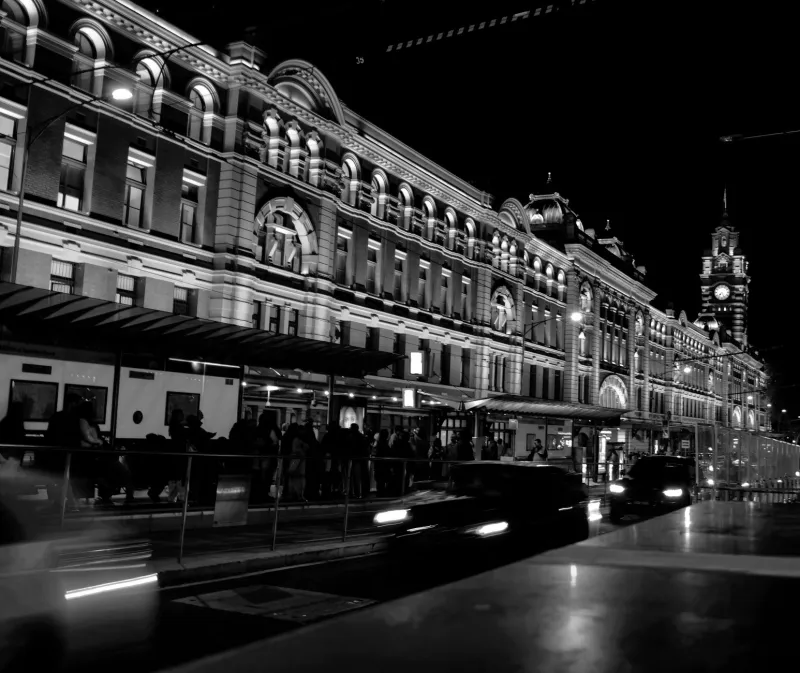
Melbourne's weather is the great validator here. A garment that survives a southerly change driving rain sideways up Swanston Street has earned its keep. A coat that cannot is not outerwear; it is a costume.
What the Makers Say
We spent an afternoon in the studio of a Collingwood outerwear maker — a pattern-cutter of twenty years' standing who asked not to be romanticised, only quoted. Her test for a coat is disarmingly simple: turn it inside out. "The inside tells you everything," she says. "Bound seams. A proper lining, not a whisper of viscose. Interfacing where the buttonholes go. Anyone can make a front look expensive. The inside is where the honesty lives."
She is scathing about fused interlinings that bubble after a single professional clean, and evangelical about a hem finished by hand. "A machine hem on a heavy wool coat is a promise the garment can't keep."
A Sydney-based tailor we consulted adds a climate argument. Wool of the right weight — a double-faced merino, say, around 500 grams — breathes well enough for the harbour city's humid July and insulates adequately for a Ballarat weekend. The Australian investment coat, he argues, must be a diplomat: lighter than its European cousins, harderworking than a cardigan.
Investment Dressing, Redefined
'Investment dressing' has long been a euphemism for European luxury pricing. But a growing cohort of Australian labels is redefining the term for a climate that barely needs a coat at all. Their logic: if we buy one, it must justify itself across states, seasons and a decade. Unlined or lightly lined constructions. Removable linings for the four-seasons-in-one-day problem. Natural fibres sourced and milled domestically where possible.
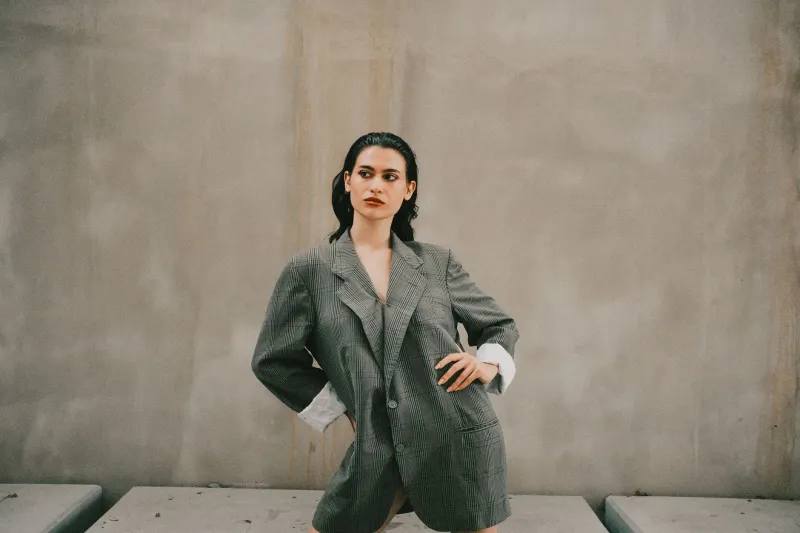
This is not asceticism. We are not advocating a wardrobe of one. We are advocating that the coat — the most public, most photographed, most weather-tested garment a person owns — be exempt from the impulse economy. Buy the novelty tee if you must. But when it comes to outerwear, Melbourne's sideways rain deserves better, and so do you.
The quiet elegance of a well-cut coat is that it asks for nothing: no trend cycle, no compliments, no justification. It simply turns up, year after year, doing its work. In a culture of deferred invoices, that is a radical kind of value.