The Arcade as Atelier: Where Melbourne's Quiet Wardrobe Begins
There is a particular kind of shopping that Melbourne does better than anywhere else in the country, and it does not happen in a shopping centre. It happens at street level, in the margins — down laneways barely a car's width wide, through brass-handled doors, past windows so understated you might mistake them for private residences. This is where the city's most considered wardrobes are assembled: not in a single afternoon, but over years, one conversation with a maker at a time.
Start With the Arcades
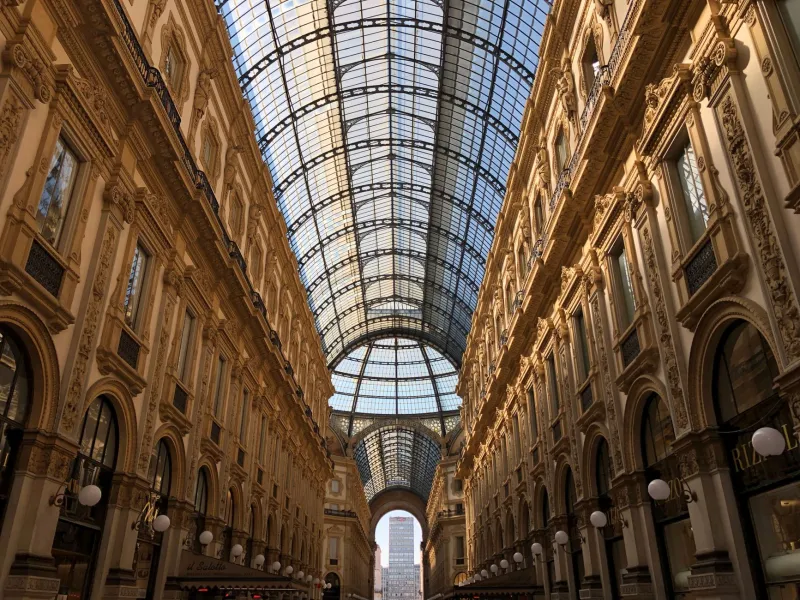
The nineteenth-century arcades — the Block, the Royal, the Cathedral — were built as promenades, places to see and be seen beneath glass roofs and ornamental ironwork. Their modern purpose is quieter but no less refined. Within them sit tailors, haberdashers, shoemakers and milliners whose businesses have outlasted every retail fad since Federation.
Begin at the Block Arcade, where the tradition of made-to-measure has never really left. A garment commissioned here carries information no label can: the width of your shoulders, the way you stand, the fact that you refuse to button a jacket to the top. This is the foundation of a local wardrobe — pieces that fit not because they were altered, but because they were made for you.
Flinders Lane and the New Ateliers
Head south-east and the register changes. Flinders Lane, once the garment trade's working heart, still hums with production — though now the studios behind its heritage facades belong to independent designers working in small runs, often to order.
These are the makers worth knowing by name. Seek out the studios producing shirts in Japanese cotton, the knitwear labels running single-gauge machines in rooms the size of a sitting room, the leatherworkers whose benches you can see from the street. The transaction here is personal: you will often meet the person who cut your garment. In an age of anonymous consumption, that is a rare luxury — and arguably the truest form of it.
The Laneway Philosophy
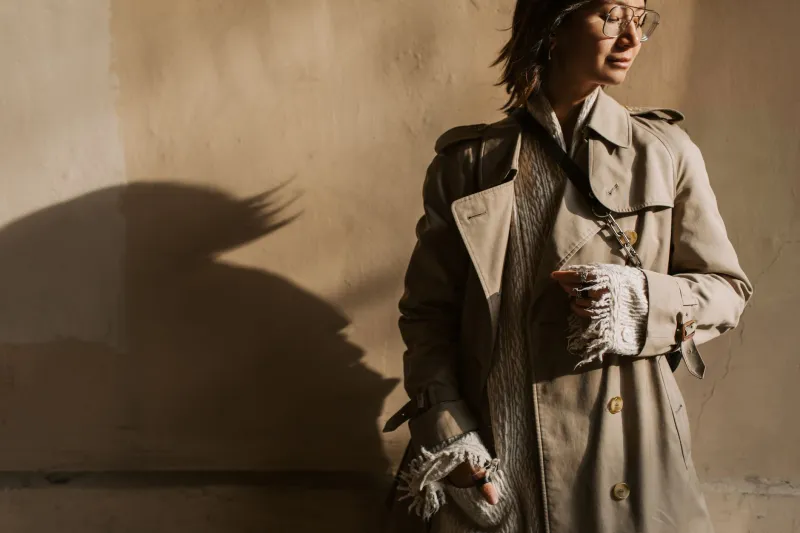
What unites these spaces is an approach rather than an aesthetic. Call it the laneway philosophy: buy less, know more, and let provenance do the talking. A wardrobe built this way tends toward a uniform — fine wool, washed linen, leather that darkens with wear — because when every piece has a story, none needs to shout.
It is also, quietly, the more sustainable path. Small-run local production means shorter supply chains, transparent labour, and garments designed to be repaired rather than replaced. Several Flinders Lane studios now offer visible mending and re-tailoring as core services, not afterthoughts.
A Practical Map
Build your wardrobe the way you'd walk the city:
- The anchor: a made-to-measure jacket from an arcade tailor — the piece everything else orbits.
- The workhorse: locally cut trousers or a bias dress in a natural fibre, from a Lane studio.
- The repair: shoes resoled, not replaced, by one of the arcade's cobblers.
- The signature: one piece — a scarf, a hat, a bag — from a maker whose name you can say out loud.
Elegance, by Address
Melbourne has always understood that style is a matter of geography as much as taste. The laneways taught us that the best things are often found off the main street, behind an unmarked door, made by someone whose name is worth remembering. A wardrobe assembled this way will not photograph like a haul. It will do something better: it will last, fit, and mean something.